Aviation school or flight school? What the words mean, and which one you need
"Aviation school" can mean three different things: a college aviation degree, a mechanic (A&P) school, or a flight school. If your goal is to fly an airplane, what you need is a flight school and an FAA pilot certificate. A degree is optional. Here is how to tell them apart from Southwest Florida.
By Core Aviator Training
People search “aviation school” when they mean very different things, and the schools that answer are very different too. Before you compare prices or call anyone, work out which of these you are actually looking for.
The three things “aviation school” can mean
1. A college aviation program. A two- or four-year degree in aeronautical science, aviation management or professional flight. Some include flight training; some are classroom only. A degree is never required to hold an FAA pilot certificate. Some airlines prefer one, and graduates of certain approved programs can qualify for an airline transport certificate with fewer than the usual 1,500 hours.
2. A maintenance school. Training for the FAA Airframe and Powerplant (A&P) certificate — the people who inspect, repair and sign off airplanes. This is a skilled, well-paid career in its own right. It does not teach you to fly.
3. A flight school. Where you learn to fly and earn an FAA pilot certificate: Private Pilot first, then Instrument, Commercial and Flight Instructor if you choose. This is the only one of the three that puts you in the left seat. Core Aviator Training is a flight school.
If your goal is to fly an airplane — for a career or for yourself — what you need is a flight school. Everything else is optional or a different career.
Degree or no degree?
A common question from students and parents in Southwest Florida: should I go to a university aviation program, or train at a local flight school?
| University aviation program | Local Part 61 flight school | |
|---|---|---|
| What you get | A degree, and usually certificates | FAA certificates |
| Timeline | Set by the academic calendar | Set by how often you fly |
| Cost | Tuition plus flight fees | Flight and instruction, paid as you go |
| Hour requirement for airline certificate | Can be reduced to 1,000 or 1,250 | The standard 1,500 |
| Who it suits | Students who want the degree anyway | Career-changers, working adults, anyone who wants to start now |
Many pilots do both in a different order: earn certificates at a local school first, then study for a degree online while they build hours. Neither path is wrong. What matters is that the certificate is what lets you fly, and every path to it runs through the same FAA standards and the same checkride.
What to look for in a flight school
If you have decided a flight school is what you want, the questions that matter most are simple:
- Who will teach you, and will it be the same person throughout?
- Is the airplane available when you are?
- Are prices published, and is the airplane rate wet?
- Is there a real brief and debrief around every flight?
We go deeper in pilot schools compared: twelve questions to ask, and in the complete flight school guide.
What a flight school at Page Field looks like
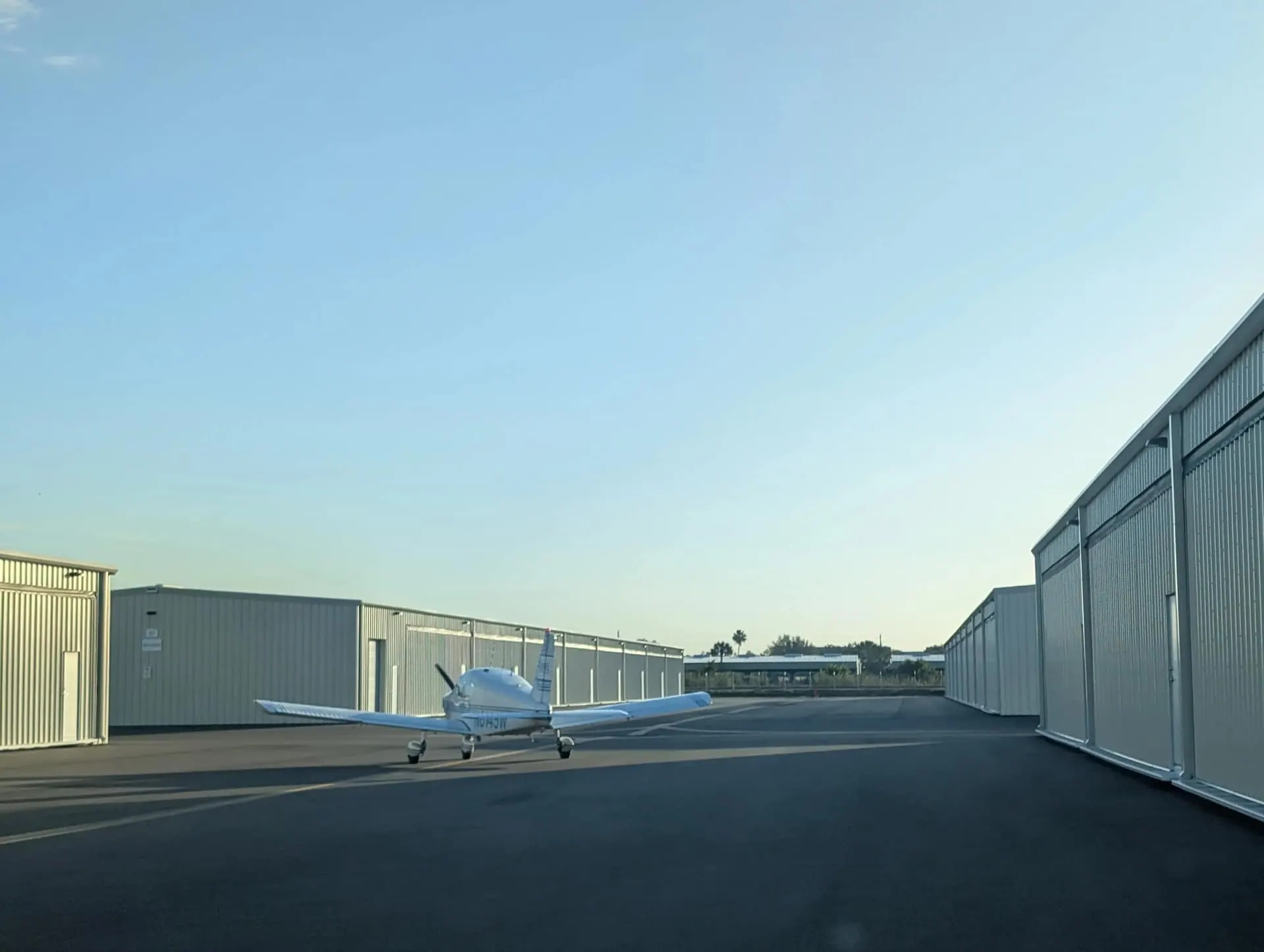
Core Aviator Training is a Part 61 flight school at the General Aviation Terminal at Page Field (KFMY) in Fort Myers. One Certified Flight Instructor, one Piper Cherokee 140, one student at a time, in three-hour lessons with a proper brief and debrief. We teach the Private Pilot License, Instrument Rating, Commercial Pilot License and Flight Instructor, plus private ground school and simulator sessions.
We do not grant degrees and we do not train mechanics. If either of those is what you need, we will happily point you in the right direction. If you want to fly, you are in the right place.
Start with one lesson
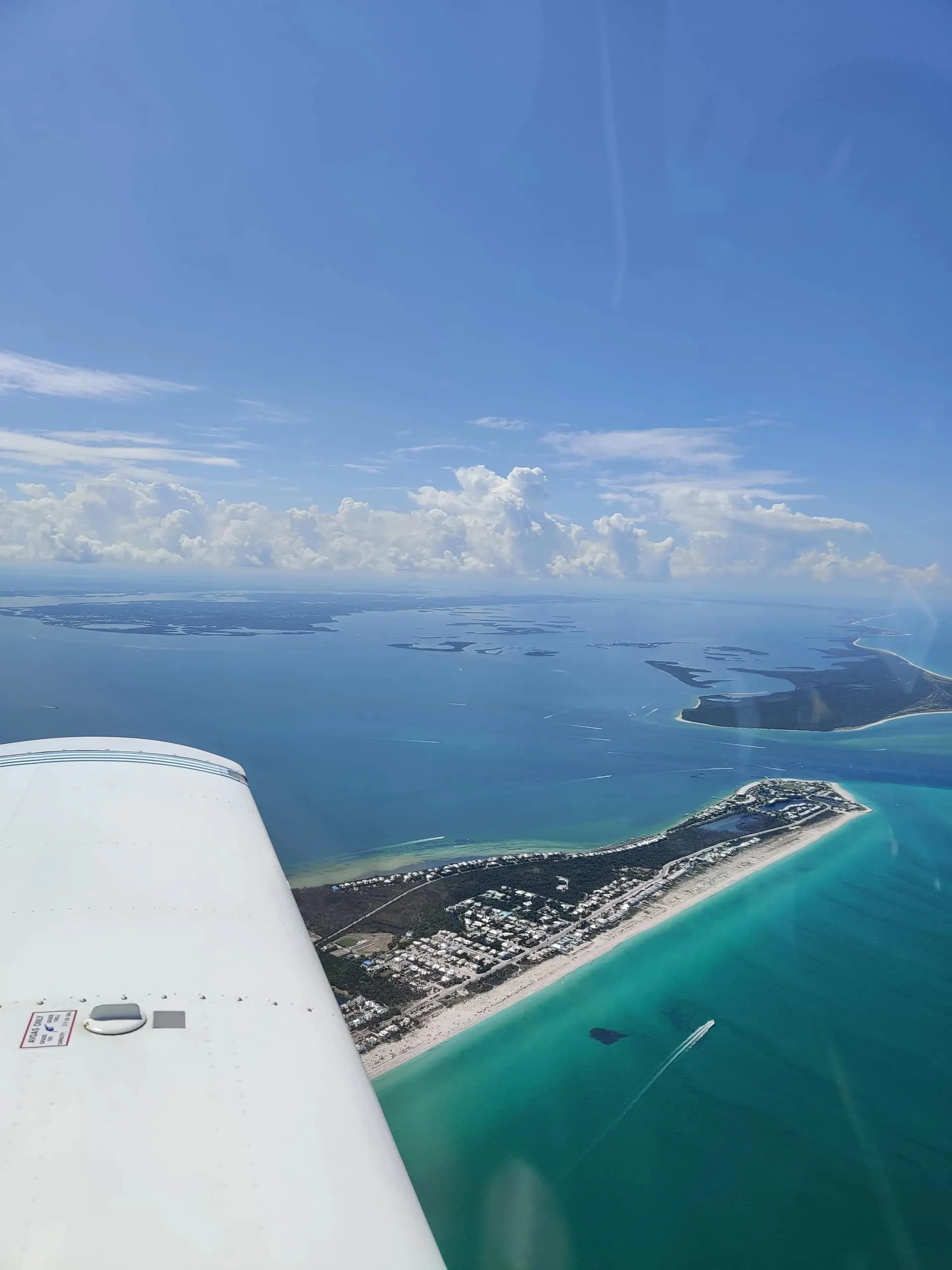
The fastest way to know whether flying is your career, your hobby or neither is to try it. A Discovery Flight is $175, you fly from the left seat over the Gulf coast, and it counts toward your private certificate. Call 239-722-6751 and ask about the next opening.