The cost to get a pilot license, and how one student did it in 40.2 hours
The cost to get a pilot license depends far more on how many hours you need than on any school’s hourly rate. Flying twice a week, studying before each lesson, keeping one instructor and passing each test the first time can close most of the gap between the 40-hour minimum and the 65 hours most students need. Here are nine ways to do it.
By Cristian Duran
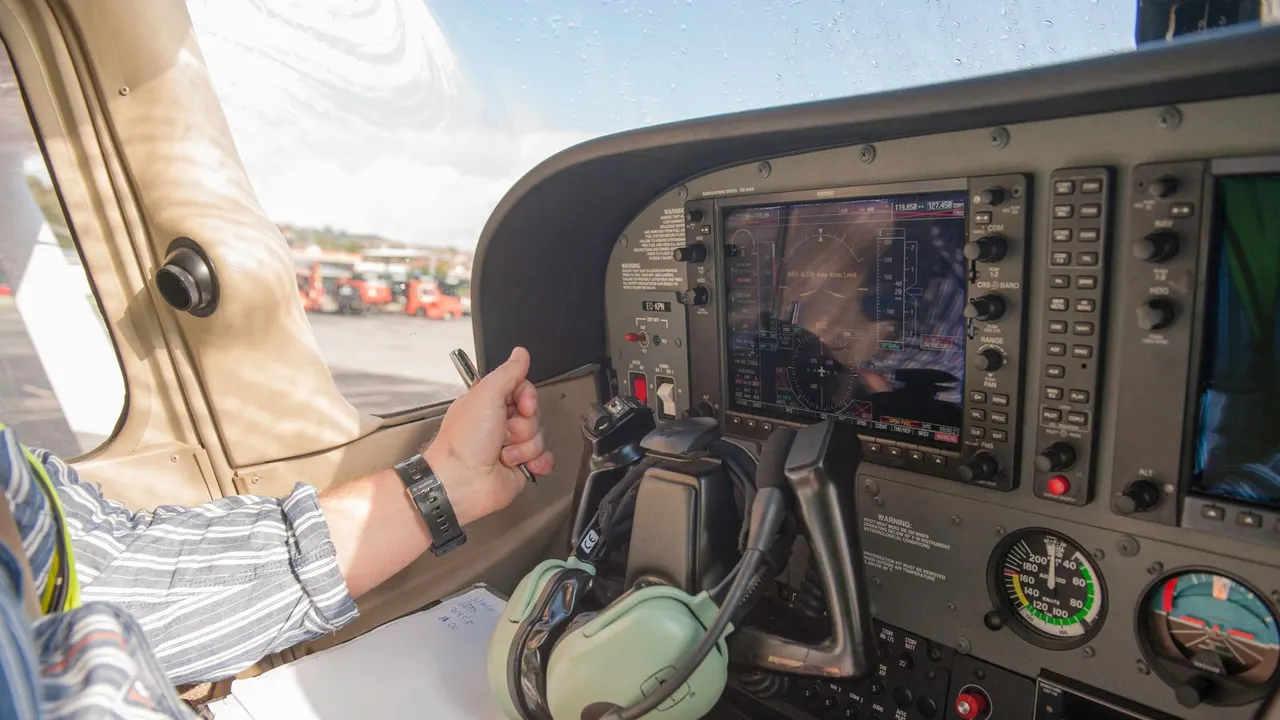
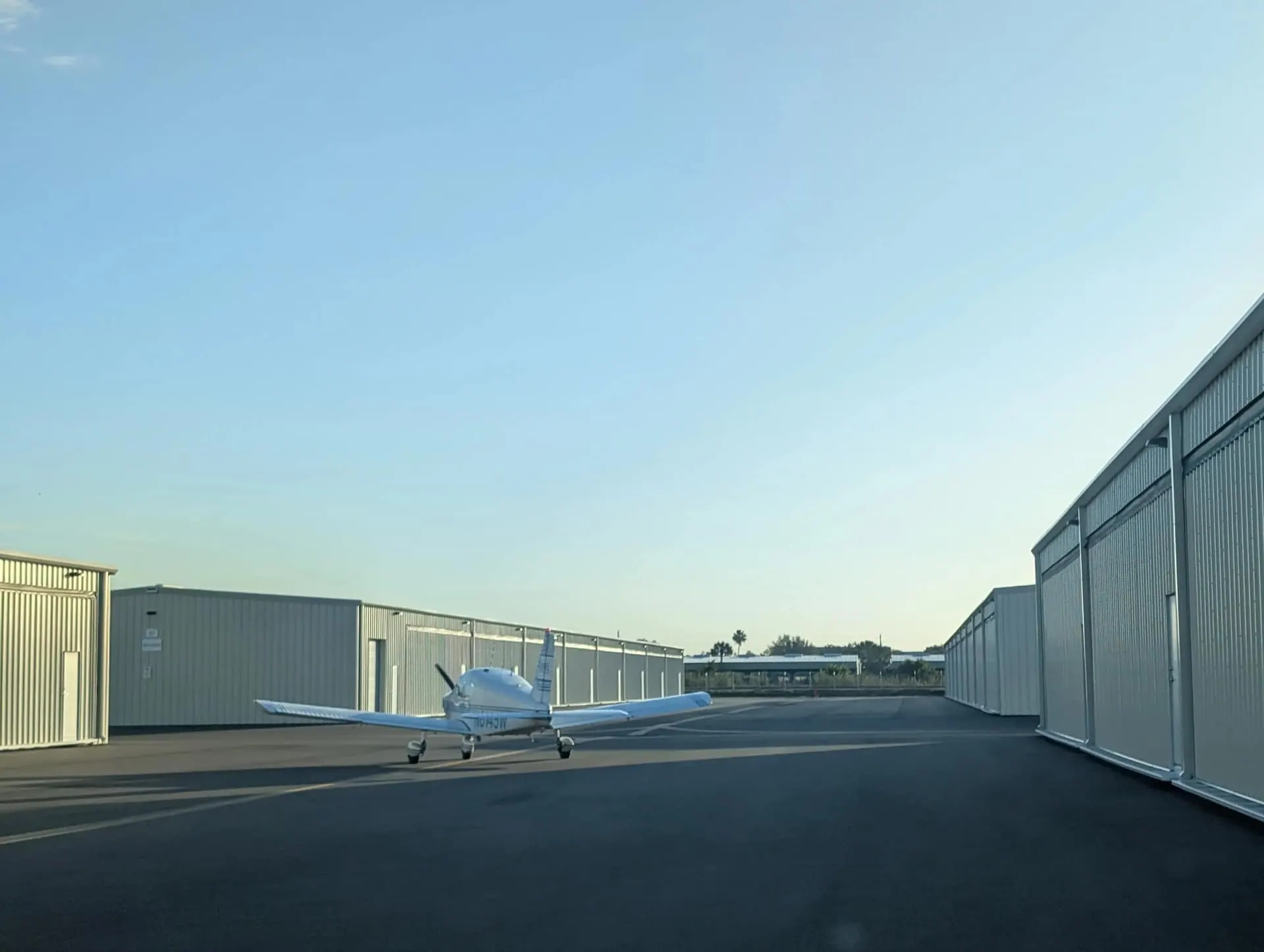
At our rates, each flight hour with instruction costs $250: $190 for the Cherokee 140, wet, plus $60 for the instructor. The difference between a student who finishes near the FAA’s 40-hour minimum and one who needs 65 is roughly $6,250.
That gap is the real cost to get a pilot license, and most of it is in your hands. Here are nine ways to close it. None of them are tricks.
1. Fly at least twice a week
This is the biggest one by far. Skills fade between lessons. Fly twice a week and every lesson starts where the last ended. Fly twice a month and the first part of every lesson is spent getting back to where you were — and you pay full rate for it.
If you can only afford to fly once a week, it is often cheaper to wait a couple of months, save, and then fly consistently.
2. Study before the lesson, not during it
Every minute spent explaining something you could have read at home is paid instruction time. Read the lesson before you come in. Know the maneuver, the checklist and the radio calls. Then the brief becomes a check, not a lecture, and the flight goes to flying.
3. Chair-fly
Sit in a chair, close your eyes, and fly the lesson: the checklist, the radio calls, the control inputs, the pattern. Out loud. It sounds silly and it is one of the most effective things a student pilot can do, and it costs nothing.
4. Keep one instructor
Every time you change instructor, the new one spends hours learning how you fly, and you spend hours adjusting to how they teach. At Core Aviator Training one instructor flies with you from the Discovery Flight to the checkride, so none of those hours are wasted.
5. Pass the written early, and the first time
Take the FAA knowledge test around the middle of your training, once your practice scores are comfortably above the 70 percent pass mark. Passing early means the knowledge is fresh when you need it in the air. Failing means another test fee and lost time. See the written and the checkride.
6. Get your medical early
You need a medical before you solo. If yours needs extra paperwork, finding that out the week before solo can ground you for weeks or months while your skills fade. Apply in your first few weeks. If anything in your history might raise a question, talk to an Aviation Medical Examiner before you apply. More in how do I become a pilot if…?
7. Use the simulator for procedures
Radio flow, checklists, instrument scans and emergency procedures can all be practiced on the ground for much less than the airplane costs. Use the expensive hours for what only the airplane can teach: the feel of a landing, a crosswind, a real stall. Ask about simulator sessions.
8. Do not prepay what you cannot get back
Packages and prepaid blocks can look cheaper per hour, but they lock your money in. If you move, change jobs or need a break, it is not always easy to get back. At CORE nothing is prepaid: you pay for the session you just flew, and there is no financing to sign. That keeps every dollar of your budget working for you.
9. Compare the real price, not the advertised one
A cheap dry rate can cost more than a higher wet rate once fuel is added. A low package price built on 40 hours will not be the price you pay. Before you choose a school, work out the total with the same hours and the same assumptions for each. We show the method in pilot training cost in Fort Myers, and the costs outside the rate card in the line items nobody lists.
What this looks like in practice
Two of our students show what is possible. One passed the checkride at 40.2 hours. Another came to us after seven months at a different school without making progress and earned his certificate inside two more months at CORE.
Most students land somewhere in between. Nobody can promise you the minimum, but every habit on this list moves you toward it.
Start with the cheapest hour
The least expensive way to find out whether flying is for you is a Discovery Flight. It is $175 for about an hour, you fly the Cherokee from the left seat, and it counts toward your 40 hours. Call 239-722-6751 and ask about the next opening.