Flight lessons in Fort Myers: what a three-hour lesson actually looks like
Every flight lesson at Core Aviator Training is a three-hour block at Page Field: a brief at the table, the preflight, the flight itself over the Southwest Florida coast, and a debrief that tells you what happened and what comes next. Here is each part, what you pay, and how to get the most from it.
By Cristian Duran
A lot of people picture a flight lesson as an hour in the air. The air is the part you remember, but it is not where most of the learning is locked in. That happens at the table, before and after.
So every lesson at Core Aviator Training is a three-hour block. Here is what fills it.
Part 1: The brief
We sit down at the General Aviation Terminal at Page Field and go through the lesson before we go near the airplane: what we are going to fly, why it matters, what good looks like, and what usually goes wrong. If it is a new maneuver, we draw it. If it is a radio call you have not made before, we say it out loud a few times.
We also look at the day: the weather, the winds, any NOTAMs, and whether the lesson still makes sense. Some days the plan changes at the table. That is part of the training too, and it is the habit we write about in what NWKRAFT means.
Part 2: The preflight
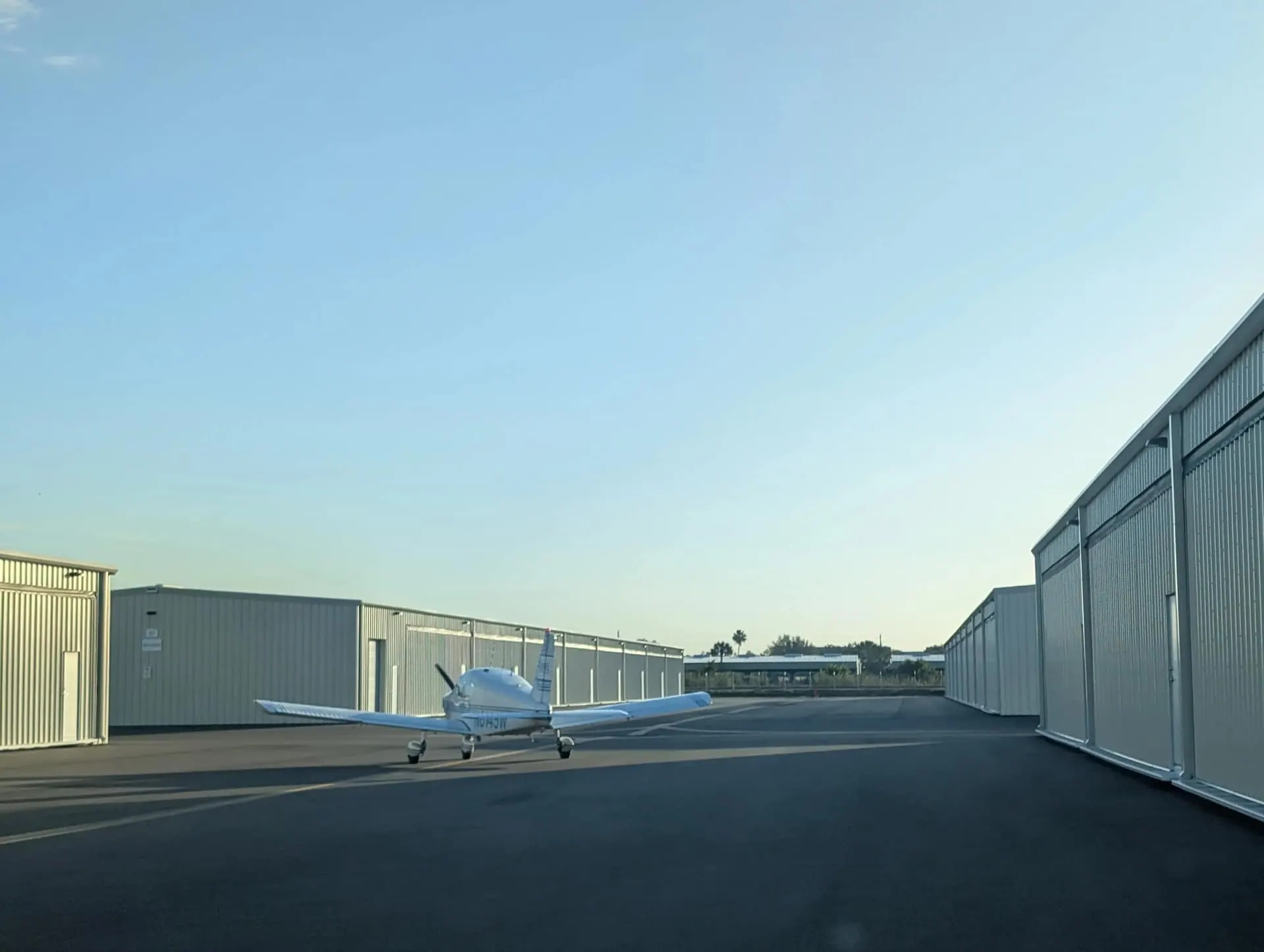
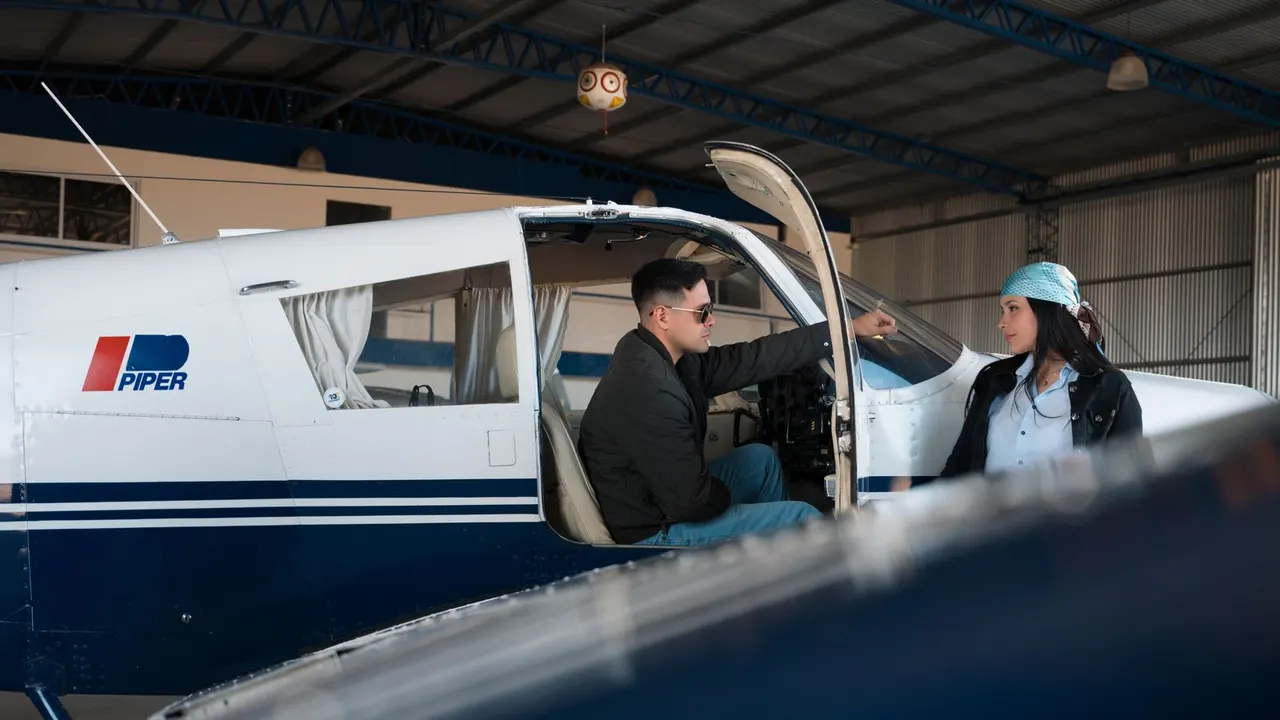
You walk around the Cherokee 140 with the checklist: fuel, oil, control surfaces, tires, lights, the works. Early on I do it with you and explain each item. Within a few lessons you do it and I watch. The low wing on the Cherokee means you can check the fuel directly without a ladder.
Then you start the engine, call ground for taxi, and steer the airplane with your feet to the runway — which surprises nearly everyone the first time. See moving the airplane on the ground.
Part 3: The flight
You call the tower, take off and fly. The training area runs along the Caloosahatchee and out over the Gulf coast and barrier islands, with clear shorelines that make it easy to know where you are.
What you fly depends on where you are in training:
- Early lessons: straight and level, climbs, descents and turns, then slow flight and stalls.
- The middle: the traffic pattern, takeoffs and landings, and emergencies, until you are ready to solo.
- Later: navigation, cross-country flights to other airports, night flying and checkride preparation.
Because Page Field is towered, you talk to air traffic control every lesson. By the time you fly to an unfamiliar airport, the radio is routine. If that part worries you, read how to talk on the radio without sounding like a student.
Part 4: The debrief
Back at the table, we go through the flight: what went well, what did not, and why. You leave knowing exactly what we will work on next time, and what to read or chair-fly before then. That is what turns one lesson into the next lesson instead of a repeat of it.
What a flight lesson costs
You pay for what you use. The airplane is $190 per hour wet — fuel and maintenance included. Instruction is $60 per hour, in the air or on the ground. There are no packages, no blocks of hours to prepay, and no charge for a lesson cancelled for weather. See pricing for the full rate card, and pilot training cost for what a whole certificate adds up to.
How often to take flight lessons
Twice a week is the sweet spot for most students. Fly less than once a week and part of every lesson goes to re-learning what you knew last time, which is the most expensive way to train. Fly more than three times a week and some students stop absorbing it. The right number is the most you can sustain for a few months without burning out.
Southwest Florida’s 300-plus flyable days make a steady schedule realistic. In summer, lessons are often booked early in the day, before the afternoon thunderstorms build.
How to get more out of every lesson
- Read the lesson before you arrive. I will tell you what to read in the debrief.
- Chair-fly. Sit at home and talk through the checklist and the radio calls out loud.
- Bring questions. Write down anything that confused you. That is what the brief is for.
- Sleep and eat. Tired, hungry students learn slowly. We run IMSAFE on ourselves for a reason.
What to bring to your first lesson
A photo ID, sunglasses and shoes you can walk on a ramp in. The headset, charts and airplane are here. Leave time either side of the flight for the brief and debrief.
Book your first flight lesson
Your first lesson is a Discovery Flight: $175, about an hour, flown by you from the left seat, and logged toward your private certificate. Core Aviator Training is at the General Aviation Terminal, Page Field, 607 Danley Dr, Fort Myers. Call 239-722-6751 and ask about the next opening.